
 Lymphatic drainage therapy has received increasing attention in recent years, from lymphedema treatment and cancer recovery to postoperative care and plastic surgery recovery. But what does lymphatic drainage actually do, and what does the latest research tell us about its benefits?
The answer is more interesting than simply saying that lymphatic drainage “gets the lymph moving.”
Researchers now understand that the lymphatic system plays important roles in fluid balance, immune function, inflammation, tissue health and waste clearance throughout the body. Research has also revealed lymphatic vessels associated with the brain that were not fully understood until relatively recently.
At the same time, newer clinical research is helping doctors and therapists understand where manual lymphatic drainage (MLD) is most useful, where evidence remains limited, and how it fits into a larger treatment plan.
For people considering lymphatic drainage therapy, the most important takeaway is this:
Lymphatic drainage may help manage swelling and certain lymphatic conditions, but it is not a cure-all, a “detox” treatment, or a replacement for medical care. Its benefits depend on the reason someone is receiving treatment and the individual’s overall health.
Key Takeaways
- Manual lymphatic drainage (MLD) is a specialized, gentle hands-on technique intended to encourage lymph fluid movement.
- It is an established component of lymphedema management, generally as part of a broader treatment program that can include compression, exercise, skin care and self-management.
- MLD may be used in certain post-surgical and post-cancer-treatment situations, but timing and appropriateness should be determined by the medical care team.
- Newer research suggests that MLD does not always provide additional swelling reduction when added to compression, particularly in some forms of established lymphedema.
- Research into the lymphatic system itself has expanded dramatically, including discoveries about lymphatic drainage associated with the brain.
- Lymphatic drainage should not be described as a way to “flush toxins,” cure disease or guarantee faster healing.
- The appropriate technique depends on the person’s diagnosis, surgery, medications, symptoms and medical history.
What Is Lymphatic Drainage Therapy?
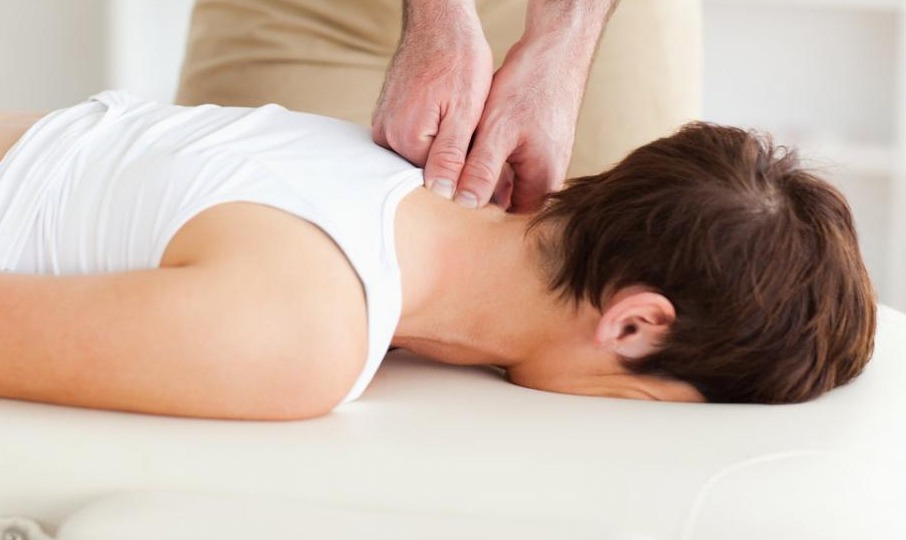
Lymphatic drainage therapy is a specialized form of very gentle manual therapy designed to encourage the movement of lymph fluid through the lymphatic system.
It is commonly referred to as manual lymphatic drainage (MLD) or lymphatic drainage massage.
Unlike deep-tissue massage, MLD generally uses light, rhythmic movements directed along lymphatic pathways.
The goal isn’t to force fluid through the body. Instead, the technique is intended to work with the anatomy and physiology of the lymphatic system.
The National Cancer Institute describes manual lymphatic drainage as gentle massage that helps move lymph fluid through the body. It is one component that may be used in complete decongestive therapy (CDT) for lymphedema.
What Does the Lymphatic System Actually Do?
The lymphatic system is a network of vessels, lymph nodes and lymphatic tissues throughout the body.
One of its major jobs is helping manage fluid that leaves the blood vessels and enters surrounding tissues.
The lymphatic system collects some of this fluid and eventually returns it to the bloodstream.
But fluid movement isn’t its only job.
The lymphatic system also has important connections to:
- Immune surveillance
- Transport of immune cells
- Inflammation
- Tissue fluid balance
- Removal and transport of cellular material
- Absorption of certain fats from the digestive system
This is one reason scientists have become increasingly interested in the lymphatic system.
It is much more than a simple “drainage system.”
What Can Lymphatic Drainage Therapy Help With?
The answer depends heavily on why lymphatic drainage is being performed.
There is stronger evidence for some applications than others.
1. Lymphedema
One of the most established medical uses of lymphatic drainage is lymphedema management.
Lymphedema occurs when the lymphatic system cannot adequately transport lymph fluid, resulting in persistent swelling.
It can occur after:
- Lymph node removal
- Radiation therapy
- Cancer treatment
- Surgery
- Injury to lymphatic vessels
- Certain congenital or inherited conditions
Treatment may involve complete decongestive therapy, which can include compression, exercise, skin care, self-management and manual lymphatic drainage.
Importantly, MLD is generally considered one component of treatment rather than a standalone cure.
2. Breast Cancer-Related Lymphedema
Breast cancer treatment can sometimes damage or alter lymphatic drainage pathways.
As a result, some patients develop swelling in the:
- Arm
- Hand
- Breast
- Chest
- Underarm region
MLD may be incorporated into treatment for breast cancer-related lymphedema.
However, research has produced mixed results regarding exactly how much additional benefit MLD provides when combined with compression and other components of lymphedema therapy.
The National Cancer Institute notes that studies have found differences in some outcomes, while other studies have not demonstrated significant differences in limb volume.
That doesn’t mean MLD has no role. It means treatment needs to be individualized rather than assuming that every person with lymphedema will respond in exactly the same way.
3. Post-Surgical Swelling
Another increasingly common reason people seek lymphatic drainage is swelling after surgery.
Surgery causes an inflammatory response. Depending on the procedure, tissues may also be disrupted, lymphatic pathways may be temporarily affected, and normal fluid movement may change during recovery.
Lymphatic drainage may sometimes be incorporated into postoperative care to help manage swelling.
However, postoperative lymphatic drainage should not automatically begin simply because someone has had surgery.
The surgeon’s instructions should come first.
Factors that can affect whether and when MLD is appropriate include:
- Type of surgery
- Location of surgery
- Incisions
- Drains
- Wounds
- Infection risk
- Medications
- Existing medical conditions
- Individual healing progress
The American Society of Plastic Surgeons emphasizes individualized postoperative instructions and follow-up with the surgical team.
4. Plastic Surgery Recovery
Lymphatic drainage has become particularly popular following procedures such as:
- Liposuction
- Abdominoplasty (tummy tuck)
- Breast surgery
- Body contouring
- Facial plastic surgery
- Other procedures that produce postoperative swelling
The important distinction is that MLD may help manage swelling, but it does not replace normal surgical healing.
It also should not be promoted as a guarantee that someone will heal faster or avoid complications.
For someone recovering from plastic surgery, lymphatic drainage should be viewed as a possible supportive component of postoperative care, when approved by the surgeon.
5. Head and Neck Lymphedema
An area receiving increased research attention is head and neck lymphedema, particularly after cancer treatment.
Swelling in this area can affect appearance, comfort and, in some cases, physical function.
A 2025 systematic review identified 37 studies involving 1,452 participants and concluded that head and neck lymphedema remains an area where treatment approaches are still evolving. Researchers noted that there is currently no universally accepted gold-standard treatment algorithm for this type of lymphedema.
This is a good example of why lymphatic treatment should be individualized.
6. Swelling After Injury or Trauma
Injury can produce inflammation and localized swelling.
Depending on the injury and its cause, a healthcare professional may incorporate strategies to manage edema during rehabilitation.
MLD may sometimes be used as an adjunctive therapy, but not every type of swelling should automatically be treated with lymphatic drainage.
New or unexplained swelling should be evaluated medically before assuming that it is a lymphatic problem.
7. Lipedema
Lipedema is a chronic disorder involving abnormal distribution of fatty tissue, usually in the legs and sometimes the arms.
Lymphatic drainage is sometimes incorporated into conservative management for people with lipedema, particularly when swelling or other lymphatic complications are present.
However, MLD does not eliminate lipedema or remove abnormal adipose tissue.
This distinction is important because online marketing sometimes makes lymphatic drainage sound like a treatment that permanently reshapes the body.
That is not what the medical evidence establishes.
One of the Biggest New Findings: The Lymphatic System Is Connected to the Brain
One of the most fascinating developments in lymphatic research has nothing to do with massage.
Scientists have increasingly demonstrated that the brain and surrounding tissues have lymphatic drainage pathways.
For many years, the brain was thought to lack conventional lymphatic vessels.
Researchers now know that lymphatic vessels in the meninges — the protective layers surrounding the brain — participate in fluid drainage and immune-cell trafficking.
These are called meningeal lymphatic vessels.
Research published in recent years has connected these pathways with investigations into:
- Alzheimer’s disease
- Parkinson’s disease
- Multiple sclerosis
- Stroke
- Traumatic brain injury
- Brain tumors
- Neuroinflammation
- Cerebrospinal fluid clearance
A 2025 review described growing evidence that meningeal lymphatic drainage plays a role in central nervous system diseases while emphasizing that much remains unknown.
NIH also reported in 2024 that researchers visualized channels in living human brains that may contribute to the brain’s waste-clearance system.
Does this mean a lymphatic massage can detox the brain?
No.
This is an important distinction.
The discovery of brain-associated lymphatic and glymphatic pathways is scientifically exciting, but it does not establish that receiving a manual lymphatic drainage massage improves Alzheimer’s disease, Parkinson’s disease, brain function or neurological health.
Those are areas of ongoing research.
New Research Is Also Changing How We Think About MLD
For many years, manual lymphatic drainage was often described as an essential part of virtually every lymphedema treatment program.
The newer research suggests the picture is more complicated.
A 2026 randomized non-inferiority trial involving people with stage 2–3 lower-extremity lymphedema compared compression bandaging alone with compression bandaging plus MLD.
Both groups experienced significant reductions in limb volume and improvements in tissue measurements. The study found that compression bandaging alone was non-inferior to compression plus MLD for the outcomes studied.
The study was relatively small — 32 extremities were randomized and 31 completed the study — so it should not be interpreted as proving that MLD is unnecessary for everyone.
But it does provide an important insight:
MLD is not necessarily the primary factor responsible for every reduction in lymphedema swelling.
Compression and other components of comprehensive lymphedema management can be extremely important.
Why This Matters for Patients
This newer evidence helps move lymphatic therapy away from an overly simplistic message: “Lymphatic drainage fixes swelling.”
The reality is more individualized.
For one person, MLD may be a useful part of a comprehensive lymphedema treatment plan.
For another person, compression may be more important.
For someone recovering from surgery, MLD may be recommended for postoperative swelling — while another patient may not need it or may need to wait until their surgeon gives clearance.
And for someone with unexplained swelling, the first step may be medical evaluation rather than massage.
What About Knee Replacement and Other Orthopedic Surgery?
Researchers have also studied MLD after orthopedic procedures.
A 2026 systematic review examined eight randomized controlled trials involving 463 people after total knee arthroplasty.
The researchers found that evidence for MLD producing consistent improvements in postoperative edema, pain or range of motion was limited. They concluded that MLD should not routinely be considered the primary intervention after knee replacement, although it may have a role as an adjunct in selected patients.
This is another example of why the phrase “lymphatic drainage helps every type of postoperative swelling” would be too broad.
Is Lymphatic Drainage the Same as a Regular Massage?
No.
MLD is generally performed using much lighter pressure than many people associate with massage.
The purpose is also different.
A traditional massage may focus on muscles, tension and soft tissue.
MLD focuses on the lymphatic system and movement of lymph fluid.
This is why someone trained specifically in lymphatic drainage may use techniques that feel very different from Swedish massage or deep-tissue massage.
Who Should Perform Lymphatic Drainage?
Training and credentials matter, particularly when lymphatic drainage is being performed for a medical condition.
For diagnosed lymphedema, patients may be referred to a certified lymphedema therapist (CLT) or another appropriately trained healthcare professional.
Treatment can involve much more than hands-on drainage, including:
- Compression
- Exercise
- Skin care
- Self-management education
- Monitoring
- Referral to other medical professionals when necessary
The National Cancer Institute describes complete decongestive therapy as a comprehensive approach rather than simply a massage technique.
Is Lymphatic Drainage Safe for Everyone?
No therapy is appropriate for everyone.
Lymphatic drainage may need to be avoided, modified or medically cleared in certain circumstances.
For example, someone with new, unexplained or rapidly developing swelling should not simply book a massage without determining the cause.
Medical evaluation may be particularly important when swelling occurs with symptoms such as:
- Sudden onset
- Significant pain
- Redness or warmth
- Shortness of breath
- Chest pain
- Fever
- Significant asymmetry
- A suspected infection
After surgery, patients should follow the instructions of their surgeon or medical team regarding when and whether lymphatic drainage is appropriate.
The Future of Lymphatic Research
Scientists are continuing to discover that the lymphatic system is much more complex than previously understood.
Current research is investigating the relationship between lymphatic function and:
- Cancer
- Immune responses
- Inflammation
- Brain health
- Aging
- Neurodegenerative disease
- Tissue regeneration
- Lymphedema
- Microsurgical lymphatic reconstruction
Researchers are also developing better ways to visualize and measure lymphatic function, which could eventually help clinicians determine which treatments work best for specific patients.
Meanwhile, surgical treatments for lymphedema — including procedures such as lymphovenous anastomosis and vascularized lymph node transfer — are also being studied.
A 2026 umbrella review of systematic reviews found evidence that these microsurgical approaches can reduce limb volume and improve symptoms in selected patients, although the quality of evidence varies and these procedures are not replacements for conservative management in every patient.
So, What Can Lymphatic Drainage Therapy Really Help With?
The most accurate answer is:
Lymphatic drainage therapy can be a useful supportive treatment for certain types of swelling and lymphatic dysfunction, particularly when incorporated into an appropriate medical treatment plan.
It has an established role within comprehensive lymphedema management, and it may also be used in selected postoperative and cancer-related situations.
But the latest research also tells us that MLD isn’t a one-size-fits-all treatment.
The best approach depends on the cause of the swelling, the condition of the lymphatic system, the person’s medical history and what other treatments are being used.
As research continues to reveal more about the lymphatic system — including its connections to the immune system and even the brain — our understanding of lymphatic therapy will continue to evolve.
Frequently Asked Questions About Lymphatic Drainage Therapy
Does lymphatic drainage actually work?
It can help in certain circumstances, particularly as part of comprehensive lymphedema management. However, research shows that its additional benefit can vary depending on the condition and other treatments being used.
Does lymphatic drainage reduce swelling?
It may help manage certain types of lymphatic swelling. For diagnosed lymphedema, it is generally considered one component of a broader treatment program that can include compression, exercise and skin care.
Can lymphatic drainage help after plastic surgery?
It may be incorporated into postoperative care for certain procedures, but patients should follow their surgeon’s instructions regarding whether and when treatment is appropriate.
Does lymphatic drainage help with lymphedema?
Yes, MLD is one component of comprehensive lymphedema management. However, it does not cure lymphedema, and compression and other aspects of treatment can be extremely important.
Does lymphatic drainage detox the body?
There is not good evidence that massage “detoxes” the body in the way that term is commonly used in wellness marketing. The lymphatic system does have important roles in fluid regulation and immune function, but that should not be confused with a generalized detox treatment.
Can lymphatic drainage help with weight loss?
Lymphatic drainage is not a weight-loss treatment. A temporary change in measurements may occur when fluid or swelling changes, but that is different from losing body fat.
Can lymphatic drainage cure cellulite?
There is not sufficient evidence to describe MLD as a cure for cellulite.
How is lymphatic drainage different from deep-tissue massage?
MLD generally uses much lighter pressure and follows techniques intended to influence lymphatic fluid movement. Deep-tissue massage primarily targets muscles and other soft tissues.
Can everyone receive lymphatic drainage?
No. Certain medical conditions and circumstances may require avoiding or modifying treatment. People with new or unexplained swelling should have the cause evaluated before receiving lymphatic drainage.
What is the most important thing to know about lymphatic drainage?
It is a specialized therapeutic technique, not simply a wellness massage. The reason for treatment matters, and the evidence varies depending on the condition being treated.
The science surrounding the lymphatic system has changed significantly in recent years.
We now have a much better understanding of how lymphatic vessels participate in fluid regulation, immune function and tissue health, and researchers are discovering increasingly important lymphatic pathways associated with the brain.
At the same time, clinical research is giving us a more realistic understanding of manual lymphatic drainage.
MLD can be valuable, but it is not a cure-all.
For people with lymphedema or certain types of postoperative swelling, it may be an appropriate part of a comprehensive treatment plan. For others, compression, exercise, medical treatment or another intervention may play a larger role.
The goal should be individualized, evidence-informed lymphatic care — not promises of detoxification or guaranteed healing.
Contact Our Mobile Lymphatic Drainage Clinic Specialist in Central Florida

Mobile Lymphatic Drainage by Jacqueline in the Central Florida area. Certified for many different massages and treatments. Specializing in Manual lymphatic drainage (MLD) post surgery recovery treatment.
To schedule an appointment with Licensed and Certified Advanced Manual Lymphatic Drainage Specialist, Jacqueline Bosco CMLDT CLT, please call (813) 298-5603.
Providing lymphatic drainage services to patients in Howey-in-the-Hills, Altoona, Apopka. Astatula. Center Hill, Clermont, Eustis, Ferndale, Fruitland Park, Gotha, Grand Island, Groveland, Lady Lake, Mascotte, Minneola, Monteverde, Mount Dora, Oakland, Okahumpka, Sorrento, Sumterville, Tavares, The Villages, Umatilla, Webster, Wildwood, Windermere, Winter Garden, Yalaha and surrounding areas.
#lymphaticdrainage #lymphaticdrainagemassage #manuallymphaticdrainage #lymphaticdrainagetherapy #selfcare #wellness #healthylifestyle #detox
References
- National Cancer Institute — Lymphedema and Cancer
- National Cancer Institute — Lymphedema PDQ
- 2026 randomized trial on Manual Lymphatic Drainage and lower-extremity lymphedema — PubMed
- 2025 systematic review of head and neck lymphedema
- 2021 systematic review of MLD for lymphedema
- 2024 review of the evidence behind MLD
- 2025 review — Meningeal lymphatic drainage and CNS disease
- NIH — Brain waste-clearance system shown in people
- American Society of Plastic Surgeons — Lymphedema Treatment Recovery
- 2026 systematic review — MLD after total knee replacement