
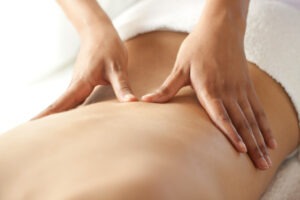
 Lymphatic Drainage is a gentle, specialized therapy designed to support the body’s natural detoxification, immune function, and fluid balance. While it feels relaxing, lymphatic drainage is rooted in anatomy, physiology, and precise techniques that stimulate one of the body’s most important—but often overlooked—systems: the lymphatic system.
Treatments are performed with a deep understanding of how lymph fluid moves, how congestion develops, and how skilled manual techniques can help restore healthy circulation.
Frequently Asked Questions About How Lymphatic Drainage Works
What does lymphatic drainage actually do?
It helps move stagnant lymph fluid through the lymphatic system, reducing swelling, supporting detoxification, and improving immune response.
Is lymphatic drainage the same as a regular massage?
No. LDM uses very light, rhythmic strokes designed specifically to stimulate lymph flow, not muscle tissue.
Why is the pressure so gentle?
Lymph vessels are located just beneath the skin and collapse under deep pressure, so light touch is essential for effectiveness.
How does lymph fluid move if there’s no pump like the heart?
Lymph moves through muscle contraction, breathing, body movement, and manual stimulation—such as lymphatic drainage.
Who benefits most from lymphatic drainage?
Individuals with swelling, inflammation, post-surgical recovery needs, immune concerns, or fluid retention often benefit significantly.
Anatomy and Function of the Lymphatic System
The lymphatic system is a complex network of:
- Lymph vessels
- Lymph nodes
- Lymph fluid
- Organs such as the spleen and thymus
Unlike the circulatory system, the lymphatic system does not have a central pump. Instead, it relies on movement and external stimulation to transport lymph fluid.
Key Functions of the Lymphatic System
- Removes metabolic waste and toxins from tissues
- Transports immune cells throughout the body
- Regulates fluid balance
- Absorbs fats and fat-soluble nutrients from digestion
When lymph flow becomes sluggish due to injury, surgery, inactivity, stress, or illness, fluid can accumulate, leading to swelling, inflammation, and compromised immune function.
Mechanisms of Lymph Fluid Movement and Drainage
Lymph fluid originates in the spaces between cells, collecting excess fluid, waste products, and proteins. From there, it travels through lymph vessels toward lymph nodes, where it is filtered before returning to the bloodstream.
How Lymph Normally Moves
- Muscle contractions during movement
- Deep diaphragmatic breathing
- Natural vessel contractions
- Gravity and posture
When these mechanisms are insufficient, lymphatic drainage manually assists this flow by gently stretching the skin in specific directions that encourage lymph vessels to open and transport fluid efficiently.
Techniques and Strokes Used in Lymphatic Drainage
Lymphatic drainage is highly specialized and follows established protocols based on lymphatic anatomy.
Light, Rhythmic Pressure
The therapist applies slow, gentle strokes that mimic the natural rhythm of lymph flow without compressing tissue.
Directional Strokes
Movements are always directed toward functioning lymph nodes and drainage pathways to ensure proper flow.
Pumping and Circular Motions
Subtle pumping actions stimulate lymph vessel contraction and encourage fluid movement.
Sequenced Treatment
Sessions typically begin by clearing major lymphatic pathways before addressing localized congestion, ensuring effective drainage throughout the system.
These techniques are especially beneficial for individuals recovering from surgery, experiencing chronic swelling, or seeking overall lymphatic health support.
Why Technique Matters in Lymphatic Drainage
Because the lymphatic system operates close to the skin’s surface, improper pressure or incorrect direction can reduce effectiveness. Professional lymphatic drainage requires training, anatomical knowledge, and precision to produce real physiological benefits—not just relaxation.
At Lymphatic Drainage Therapist in The Villages, FL, treatments are tailored to the individual’s needs and performed in the comfort of their home, allowing the body to remain relaxed and receptive to therapy.
Supporting Whole-Body Wellness Through Lymphatic Health
When lymphatic flow is optimized, many clients report:
- Reduced swelling and inflammation
- Improved immune resilience
- Enhanced energy levels
- Faster recovery after medical or cosmetic procedures
- Improved overall sense of well-being
Understanding how lymphatic drainage works highlights why it is such a valuable therapy for both preventive wellness and recovery support.
Contact Our Mobile Lymphatic Drainage Clinic Specialist | The Villages, Florida

In Home Lymphatic Drainage by Jacqueline in the Central Florida area. Certified for many different massages and treatments. Specializing in Manual lymphatic drainage (MLD) post surgery recovery treatment.
To schedule an appointment with Licensed and Certified Advanced Manual Lymphatic Drainage Specialist, Jacqueline Bosco CMLDT CLT, please call (813) 298-5603.
Providing lymphatic drainage services to patients in The Villages, Florida, Lady Lake, Fruitland Park, Leesburg, Tavares, Wildwood, Bushnell, and surrounding areas.
#lymphaticdrainage #lymphaticdrainagemassage #manuallymphaticdrainage #lymphaticdrainagetherapy #selfcare #wellness #healthylifestyle #detox
References
-
National Institutes of Health – Overview of the lymphatic system
https://www.ncbi.nlm.nih.gov/books/NBK513247/ -
Cleveland Clinic – Lymphatic system anatomy and function
https://my.clevelandclinic.org/health/body/23138-lymphatic-system -
Effects of manual lymphatic drainage on lymph flow
https://pubmed.ncbi.nlm.nih.gov/28919780/ -
Lymphatic drainage massage techniques and clinical applications
https://pubmed.ncbi.nlm.nih.gov/30802054/ -
Physiological mechanisms of lymph transport
https://www.ncbi.nlm.nih.gov/pmc/articles/PMC6028281/