
Key Takeaways
-
Mechanically Reduces Fluid Pressure: Lymphatic drainage clears excess interstitial fluid (edema) that compresses nearby pain receptors and nerve endings.
-
Lowers Inflammatory Markers: Accelerating lymph flow removes accumulated pro-inflammatory cytokines, metabolic waste, and damaged cellular debris from injured tissues.
-
Activates the Gate Control Mechanism: Gentle, rhythmic skin strokes stimulate large-diameter nerve fibers, inhibiting smaller pain signals from reaching the brain.
-
Promotes Long-Term Tissue Healing: Reducing swelling improves local blood circulation and oxygen delivery, accelerating physical recovery.
Are You Living With Pain?
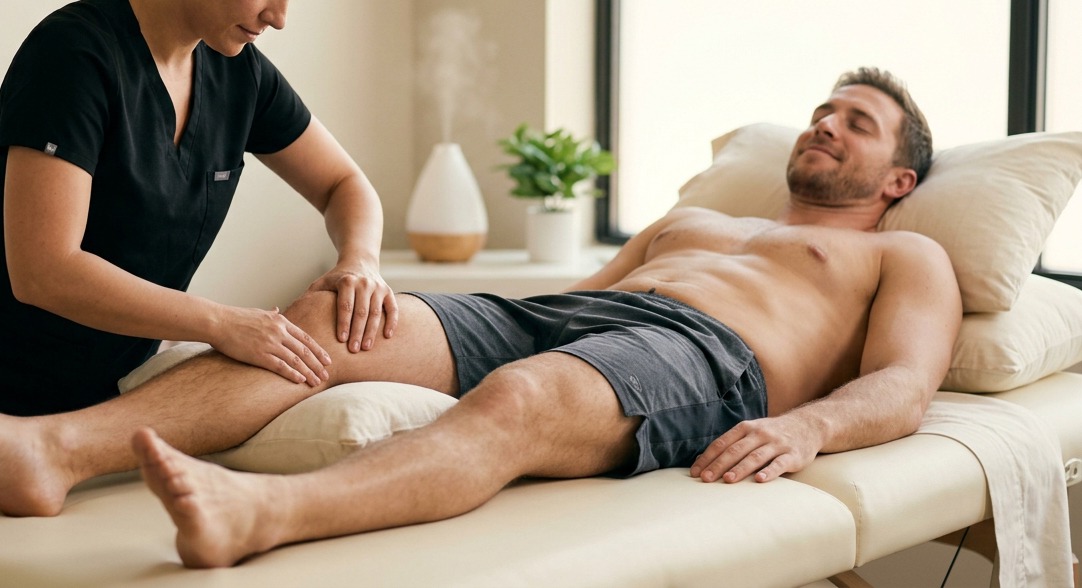 Living with persistent aches, joint stiffness, or post-injury swelling can make even basic daily movements feel overwhelming. While traditional deep-tissue therapy targets tight muscular knots, many forms of pain stem from a completely different system in the body: stagnant fluid accumulation and tissue inflammation.
Manual Lymphatic Drainage (MLD) is a specialized, gentle therapeutic technique designed to stimulate the flow of lymphatic fluid. By clearing tissue congestion and calming the nervous system, MLD offers a non-invasive, evidence-based solution for relieving both acute pain and chronic inflammatory discomfort.
The Biological Link Between Fluid Congestion and Pain
To understand how lymphatic drainage alleviates pain, it helps to examine what occurs beneath the skin during injury, surgery, or chronic inflammation.
When tissue is damaged or inflamed, small blood vessels release excess fluid, plasma proteins, and white blood cells into the surrounding space. This response is a natural part of healing, but if the lymphatic system becomes overwhelmed, fluid stagnates.
-
Nociceptor Compression: Stagnant fluid creates localized tissue pressure. This physical expansion directly compresses nearby pain receptors (nociceptors), triggering persistent pain signals to the brain.
-
Chemical Irritation: Swollen areas trap biochemical waste products, including pro-inflammatory cytokines, lactic acid, and cellular debris. This chemical buildup sensitizes nerve endings, turning minor stiffness into sharp discomfort.
4 Ways Lymphatic Drainage Relieves Pain
1. Decompressing Nerve Endings (Edema Reduction)
Lymphatic drainage utilizes light, rhythmic skin-stretching techniques designed to open initial lymphatic collectors located just below the dermis. Moving trapped interstitial fluid back into the lymphatic network reduces localized swelling (edema). As tissue pressure drops, physical compression on nerve endings is removed, providing immediate relief from throbbing or heavy aches.
2. Clearing Pro-Inflammatory Cytokines
The lymphatic system serves as the body’s internal filtration system. By manually increasing lymph flow velocity, MLD accelerates the clearance of cellular waste, histamines, and inflammatory markers from affected tissues. Transporting these chemical irritants to the lymph nodes for filtration eliminates the source of localized tissue burning and soreness.
3. Activating the “Gate Control Theory” of Pain Relief
Under the Gate Control Theory of Pain, sensory inputs share neurological pathways to the spinal cord. The light, repetitive, low-pressure strokes of MLD (typically under 9 ounces of pressure per square inch) stimulate large, myelinated A-beta nerve fibers. These fast-acting touch signals effectively “close the gate” in the spinal cord, blocking slower pain signals (C-fibers) from reaching the brain.
4. Downregulating Nervous System Tension
Pain frequently triggers a cycle of muscle guarding and elevated stress. MLD shifts the autonomic nervous system from a sympathetic (“fight-or-flight”) state to a parasympathetic (“rest-and-digest”) state. Lowering systemic cortisol and heart rate helps relax guarded muscles around painful joints, breaking the pain-spasm-pain cycle.
Conditions That Benefit from MLD Pain Relief
| Condition Type | Underlying Cause of Pain | How Lymphatic Drainage Helps |
| Post-Surgical Recovery | Trauma-induced swelling and fluid pooling | Accelerates clearance of surgical fluid, speeds incision healing, and reduces pain without heavy pressure. |
| Fibromyalgia & Chronic Pain | Central sensitization and tissue congestion | Gentle skin stretching calms hypersensitive nerves without triggering muscle guarding or pain flares. |
| Arthritis & Joint Stiffness | Inflammatory fluid build-up inside joint capsules | Decongests joint capsules to improve range of motion and relieve aching stiffness. |
| Sports Injuries (Sprains/Strains) | Acute hematomas and localized inflammation | Clears internal bruising and fluid accumulation, allowing oxygenated blood to reach damaged tissues faster. |
| Lymphedema & Lipedema | Impaired lymphatic vessel drainage | Redirects stagnant fluid to healthy lymph basins, reducing heavy limb pain and skin tension. |
What to Expect During a Pain-Relief Session
Unlike deep tissue or Swedish massage, lymphatic drainage uses ultra-light pressure and precise directional strokes. The therapist works methodically, starting near healthy lymph node basins (such as the neck, armpits, or groin) to clear downstream channels before addressing the swollen, painful area.
Because MLD is gentle, it can be applied during acute recovery stages when traditional deep massage would be too painful or contraindicated.
Frequently Asked Questions (FAQs)
Is lymphatic drainage massage painful?
No. MLD uses extremely light, gentle pressure applied to the surface of the skin. It should never cause pain or bruising, making it ideal for sensitive conditions like fibromyalgia or post-op recovery.
How quickly will I experience pain relief?
Many individuals feel immediate relief from tissue tightness and throbbing right after a session. For chronic inflammatory pain or significant post-surgical swelling, a series of regular treatments is usually recommended for lasting results.
Can I get lymphatic drainage if I have an acute injury?
Yes, as long as there is no active infection, deep vein thrombosis (DVT), or unmanaged heart condition. MLD helps clear acute swelling early in the healing process so tissues can recover efficiently.
Contact Our Mobile Lymphatic Drainage Clinic Specialist in Central Florida

Mobile Lymphatic Drainage by Jacqueline in the Central Florida area. Certified for many different massages and treatments. Specializing in Manual lymphatic drainage (MLD) post surgery recovery treatment.
To schedule an appointment with Licensed and Certified Advanced Manual Lymphatic Drainage Specialist, Jacqueline Bosco CMLDT CLT, please call (813) 298-5603.
Providing lymphatic drainage services to patients in Howey-in-the-Hills, Altoona, Apopka. Astatula. Center Hill, Clermont, Eustis, Ferndale, Fruitland Park, Gotha, Grand Island, Groveland, Lady Lake, Mascotte, Minneola, Monteverde, Mount Dora, Oakland, Okahumpka, Sorrento, Sumterville, Tavares, The Villages, Umatilla, Webster, Wildwood, Windermere, Winter Garden, Yalaha and surrounding areas.
#lymphaticdrainage #lymphaticdrainagemassage #manuallymphaticdrainage #lymphaticdrainagetherapy #selfcare #wellness #healthylifestyle #detox
References
-
Manual Lymphatic Drainage for Pain and Swelling: Effectiveness of manual lymphatic drainage in women with pain and soft tissue swelling. PubMed Central Index: PMID: 38763597
-
MLD for Fibromyalgia and Chronic Pain Management: Manual lymphatic drainage therapy in patients with fibromyalgia syndrome: a systematic review. PubMed Central Index: PMID: 25940348
-
Mechanisms of Lymphatic Fluid Clearance: Lymphatic System in Inflammation and Tissue Remodeling. National Center for Biotechnology Information (NCBI): PMC4396829