
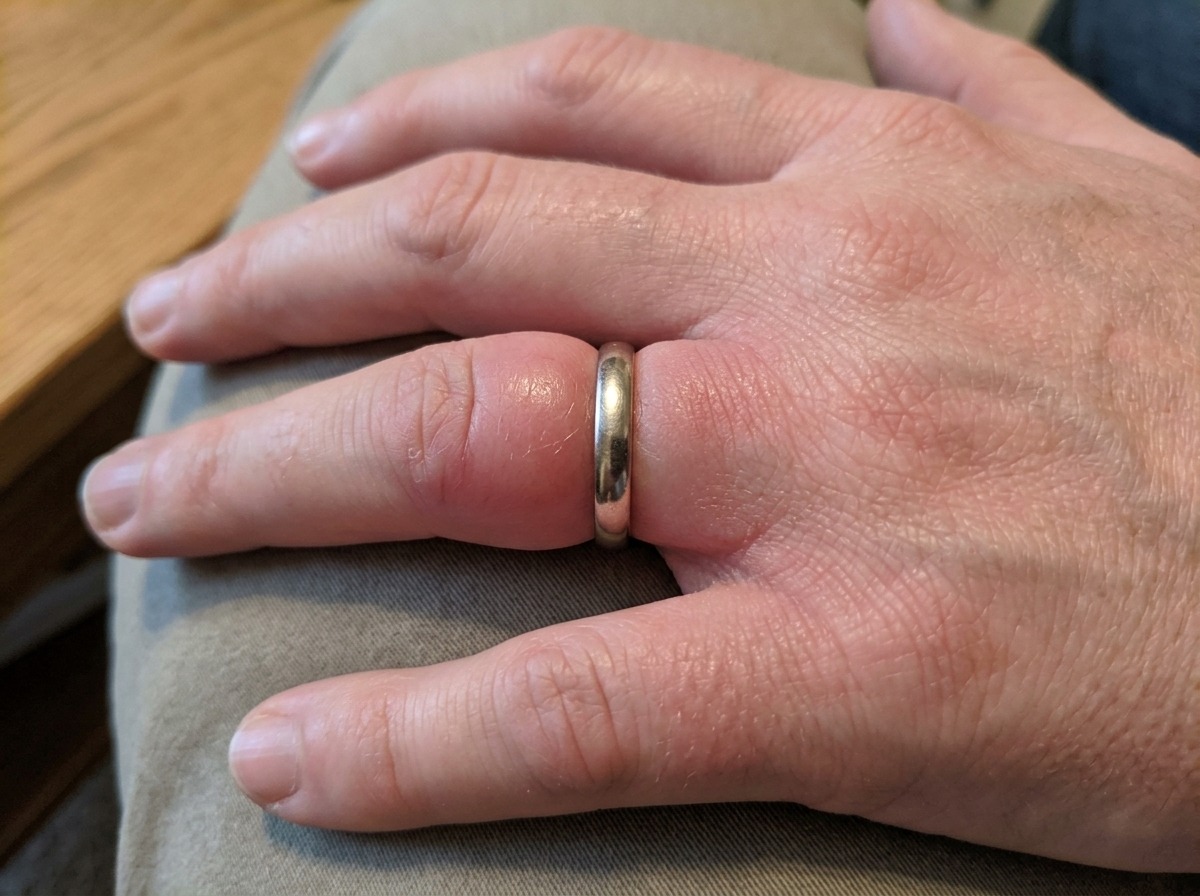
 Have you ever noticed that your legs feel heavy or swollen by the end of the day? Maybe your rings feel tighter, your shoes leave marks around your ankles, or one part of your body feels unusually full or tight.
You may have heard these symptoms described as signs of a “slow lymphatic system.”
But what does that actually mean?
The phrase slow lymphatic system is commonly used in wellness and massage settings, but it is not a formal medical diagnosis. A healthcare professional may instead use terms such as lymphedema, lymphatic dysfunction, edema or impaired lymphatic drainage, depending on the underlying cause.
The lymphatic system plays an important role in maintaining fluid balance and supporting the immune system. When lymphatic drainage is impaired, fluid can accumulate in tissues and cause swelling and other symptoms.
Recognizing those symptoms early can be important, particularly for people who have had surgery, cancer treatment, radiation, an injury or other conditions that can affect lymphatic function.
Key Takeaways
- A “slow lymphatic system” is not a specific medical diagnosis.
- Persistent or recurring swelling is one of the most important signs of possible lymphatic dysfunction.
- Other symptoms can include heaviness, tightness, fullness, aching, stiffness and changes in the skin or tissue.
- Early lymphatic problems may be subtle and the swelling may come and go.
- Lymphedema can occur in the arms, legs, abdomen, face, neck and other areas of the body.
- Swelling does not automatically mean a lymphatic problem. Heart, kidney, vein, infection, injury and other conditions can also cause edema.
- New, sudden or unexplained swelling should be evaluated by a healthcare professional.
- Lymphatic drainage therapy may be appropriate for some people, but treatment should depend on the cause of the swelling.
What Does a “Slow Lymphatic System” Mean?
The lymphatic system is a network of vessels, lymph nodes and tissues that helps move lymph fluid through the body.
One of its important functions is helping return excess fluid from tissues back into circulation.
The lymphatic system also has important immune functions, including transporting immune cells and helping the body respond to infection.
When lymphatic vessels or lymph nodes are damaged, blocked or unable to transport fluid effectively, lymph can accumulate in the tissues.
This can result in lymphedema.
According to the National Cancer Institute, lymphedema occurs when lymph builds up in tissues and causes swelling. It can affect an arm or leg but can also occur in other parts of the body.
So when someone says, “I think my lymphatic system is slow,” they may actually be describing symptoms associated with impaired lymphatic drainage or another type of edema.
10 Possible Signs of Lymphatic Dysfunction
1. Swelling That Comes and Goes
One of the most recognizable signs of lymphatic dysfunction is swelling.
Early lymphedema may not produce dramatic or permanent swelling. Instead, the affected area may become swollen at certain times and then decrease after resting or elevating the limb.
For example, you might notice:
- Swollen ankles at the end of the day
- One leg looking slightly larger than the other
- A hand or arm becoming puffy
- Rings feeling tighter
- Shoes fitting differently
- Swelling that is less noticeable in the morning
The NHS notes that early lymphedema swelling can come and go and may become more pronounced during the day.
However, swelling has many possible causes. It should not automatically be attributed to the lymphatic system.
2. A Feeling of Heaviness
Another common symptom is a sensation of heaviness or fullness in an affected area.
You may notice that an arm or leg feels heavier than usual even when the visible swelling is relatively mild.
Some people describe it as:
- “My leg feels heavy.”
- “My arm feels full.”
- “It feels like I’m carrying extra weight.”
- “My limb feels different from the other one.”
The National Cancer Institute identifies a heavy, full or tight feeling as a potential symptom of lymphedema.
3. Tightness or Skin Feeling Stretched
A feeling of tightness can occur as fluid accumulates in tissues.
You might notice that your skin feels:
- Tight
- Stretched
- Full
- Uncomfortable
- Less flexible
This can sometimes be more noticeable after periods of activity or later in the day.
Tightness, fullness, heaviness and aching are recognized early symptoms of lymphedema.
4. Jewelry, Watches or Clothing Suddenly Feel Tight
Sometimes one of the first clues isn’t obvious swelling at all.
Instead, you may notice that something that normally fits comfortably suddenly feels tighter.
Examples include:
- A ring becoming difficult to remove
- A watch leaving a deeper indentation
- Socks leaving pronounced marks
- Shoes feeling tighter
- Pants fitting differently around one leg
The NHS specifically identifies tighter clothing, jewelry and watches as potential signs of lymphedema.
This doesn’t necessarily mean you have a lymphatic problem, but persistent changes that affect only one side of the body are worth discussing with a healthcare professional.
5. Aching or Discomfort
Lymphatic swelling can sometimes be accompanied by an aching or uncomfortable sensation.
People may describe the area as:
- Achy
- Heavy
- Full
- Tight
- Stiff
- Uncomfortable
The severity can vary considerably.
Some people with early lymphedema have little or no pain, while others experience more noticeable discomfort as swelling progresses.
6. Reduced Range of Motion or Stiffness
Swelling can sometimes make movement more difficult.
For example, swelling in an arm may make it uncomfortable to bend or move the joint normally. Swelling in a leg may affect walking or flexibility.
The National Cancer Institute lists difficulty moving an affected arm or leg among the possible symptoms of lymphedema.
This can become more noticeable when swelling is persistent or more advanced.
7. Skin or Tissue Changes
Long-standing lymphatic swelling can cause changes to the skin and underlying tissue.
The skin may become:
- Firmer
- Thicker
- Harder
- Less flexible
- Dry
- More prone to folds or other changes
In more advanced lymphedema, tissue fibrosis can develop.
The National Cancer Institute notes that discoloration and hardening of the skin can occur with long-term, untreated lymphedema.
This is one reason early evaluation and management can be important.
8. Repeated Skin Infections
People with lymphedema can be more susceptible to skin infections such as cellulitis.
Warning signs can include:
- Redness
- Warmth
- Increasing swelling
- Pain
- Fever
- Feeling generally unwell
An infection should not be treated as simply a “slow lymphatic system.”
If you have sudden redness, warmth, pain, increasing swelling or fever, seek medical attention.
The NHS identifies recurrent skin infections as a possible complication associated with lymphedema.
9. Swelling That Does Not Fully Go Away Overnight
Early swelling may decrease after resting or elevating the affected area.
Over time, however, lymphedema can become more persistent.
You may notice that:
- Your leg remains swollen in the morning
- Your arm doesn’t return completely to its normal size
- Elevating the limb no longer makes as much difference
- The affected area gradually becomes firmer
The progression from intermittent swelling to more persistent swelling is one reason it is useful to pay attention to changes rather than ignoring them.
10. Swelling on Only One Side of the Body
Lymphatic problems don’t necessarily affect both sides equally.
For example, you might notice:
- One leg is consistently larger
- One arm feels heavier
- One hand is puffy
- One side of the face or neck looks swollen
- One breast or chest area feels fuller after surgery
This can be particularly relevant after procedures that affect lymph nodes or lymphatic vessels.
For example, lymph node removal or radiation therapy can increase the risk of developing lymphedema.
Can You Have Lymphatic Problems Without Obvious Swelling?
Yes.
This is one reason early symptoms can be easy to overlook.
The National Cancer Institute describes Stage 0 lymphedema as a stage in which lymph flow is not functioning normally but visible swelling may or may not be present.
Someone may notice changes such as:
- Tightness
- Heaviness
- Fullness
- Aching
- Subtle changes in how clothing fits
before obvious swelling becomes apparent.
This doesn’t mean that these symptoms automatically indicate lymphedema. They simply demonstrate why a medical evaluation can be useful when symptoms persist.
What Causes Lymphatic Drainage Problems?
Lymphatic dysfunction can have many causes.
Cancer Treatment
Lymph node removal and radiation therapy can damage or alter lymphatic pathways.
Breast cancer treatment, for example, can sometimes lead to lymphedema in the arm, hand, breast or chest area.
Lymphedema may develop months or even years after cancer treatment, so the timing isn’t always immediate.
Surgery
Surgery can temporarily or permanently alter lymphatic pathways.
This is one reason postoperative swelling can occur.
Depending on the procedure, a surgeon may recommend specific strategies for managing swelling during recovery.
Injury or Trauma
Damage to tissues or lymphatic vessels can interfere with normal lymphatic drainage.
Infection
Certain infections can damage lymphatic structures or contribute to swelling.
Congenital or Inherited Conditions
Some people are born with lymphatic systems that do not develop or function normally. This is known as primary lymphedema.
Reduced Movement
Movement and muscle contractions help support fluid movement through the body.
Periods of reduced mobility can contribute to edema, although swelling from inactivity is not necessarily lymphedema.
Not All Swelling Is a Lymphatic Problem
This is perhaps the most important thing to understand.
Swelling is a symptom, not a diagnosis.
Edema can have many causes, including:
- Venous problems
- Injury
- Infection
- Certain medications
- Heart conditions
- Kidney disease
- Liver disease
- Blood clots
- Inflammation
- Prolonged inactivity
- Pregnancy
- Lymphedema
Mayo Clinic specifically notes that swelling can result from conditions involving infection, injury, blood clots, heart failure, kidney disease and problems with veins, among other causes.
That’s why persistent or unexplained swelling should be evaluated rather than automatically treated as a lymphatic issue.
When Should You Talk to a Doctor About Swelling?
Consider contacting a healthcare professional if you have persistent, recurring or unexplained swelling, particularly if it is affecting only one side of the body.
You should seek prompt medical attention for swelling accompanied by symptoms such as:
- Sudden onset
- Significant pain
- Redness or warmth
- Fever
- Shortness of breath
- Chest pain
- Rapidly increasing swelling
Sudden swelling accompanied by pain, warmth, redness or breathing symptoms can have causes that require urgent medical evaluation, including blood clots or infection.
Can Lymphatic Drainage Therapy Help?
For someone with a diagnosed lymphatic condition, manual lymphatic drainage (MLD) may be one component of a broader treatment plan.
MLD uses gentle, rhythmic techniques intended to encourage lymph fluid movement.
For lymphedema, treatment may also involve:
- Compression
- Exercise
- Skin care
- Self-management
- Education
- Medical monitoring
The National Cancer Institute describes complete decongestive therapy as a comprehensive approach to lymphedema management rather than simply a massage treatment.
For people recovering from surgery, lymphatic drainage may sometimes be incorporated into postoperative care, but the surgeon’s instructions should always come first.
Does Lymphatic Drainage “Speed Up” the Lymphatic System?
This is where terminology matters.
It is common to hear lymphatic drainage described as a way to “speed up” or “activate” the lymphatic system.
A more medically appropriate explanation is that manual lymphatic drainage uses specific, gentle techniques intended to facilitate movement of lymph fluid through available lymphatic pathways.
It is not accurate to promise that a treatment will permanently make someone’s lymphatic system “faster.”
Likewise, lymphatic drainage should not be marketed as a treatment that:
- Flushes toxins
- Causes permanent weight loss
- Cures lymphedema
- Eliminates cellulite
- Guarantees faster healing
- Replaces medical treatment
The goal should be appropriate management of swelling and lymphatic dysfunction, when MLD is indicated.
What Is the Difference Between a “Slow Lymphatic System” and Lymphedema?
A slow lymphatic system is a general wellness phrase.
Lymphedema is a medical condition.
Lymphedema occurs when lymph builds up in tissues because the lymphatic system is unable to adequately transport it.
It can cause swelling, heaviness, tightness, discomfort, movement limitations and tissue changes.
If you suspect that you have lymphedema, it is better to seek an appropriate evaluation rather than self-diagnosing based on a list of symptoms.
Frequently Asked Questions
What are the first signs of a slow lymphatic system?
Possible early signs of lymphatic dysfunction include mild swelling, heaviness, tightness, fullness, stiffness or aching. Swelling may initially come and go and may be more noticeable later in the day.
How do I know if my lymphatic system is not draining properly?
Persistent or recurring swelling, particularly when accompanied by heaviness, tightness or changes in the affected tissue, can be a sign of lymphatic dysfunction. However, several other medical conditions can cause similar symptoms.
Can you feel when your lymphatic system is sluggish?
Some people notice sensations such as heaviness, fullness, tightness or aching when they have lymphatic dysfunction. These sensations alone, however, cannot establish that the lymphatic system is impaired.
Why do my legs feel heavy at the end of the day?
Leg heaviness can have many causes. Swelling related to lymphatic or venous problems is one possibility, but prolonged standing, inactivity and other medical conditions can also contribute.
Why are my ankles swollen at night?
Swollen ankles can result from many causes, including prolonged standing or sitting, venous problems, medications, heart or kidney conditions and other forms of edema. Lymphatic dysfunction is another possibility, but swelling should not automatically be attributed to the lymphatic system.
Can lymphatic drainage massage help swollen legs?
It may help some types of lymphatic swelling, particularly when used as part of an appropriate treatment plan. However, the cause of leg swelling should be established before assuming lymphatic drainage is the appropriate treatment.
Can lymphatic drainage help after surgery?
It may be used for selected patients after certain procedures, but the timing and appropriateness depend on the surgery and the individual’s recovery. Always follow your surgeon’s postoperative instructions.
Does drinking more water improve lymphatic drainage?
Adequate hydration is important for overall health, but drinking excessive amounts of water has not been established as a treatment for lymphedema or lymphatic dysfunction.
Is a “slow lymphatic system” the same as lymphedema?
No. “Slow lymphatic system” is a nonmedical phrase. Lymphedema is a diagnosed condition involving the accumulation of lymph fluid in tissues.
If your body feels heavy, tight, full or swollen, it is reasonable to wonder whether your lymphatic system could be involved.
The most recognizable signs of possible lymphatic dysfunction include persistent or recurring swelling, heaviness, tightness, fullness, aching, stiffness and changes in the skin or underlying tissue.
But these symptoms don’t automatically mean you have a “slow lymphatic system.”
Because swelling can have many different causes, the first step is understanding why the swelling is occurring.
For people with lymphatic dysfunction or lymphedema, lymphatic drainage therapy may be an appropriate part of a comprehensive management plan. For postoperative patients, treatment should be coordinated with the surgical care team.
When it comes to lymphatic health, the goal isn’t simply to make the lymphatic system “faster.” The goal is to understand what is causing the swelling and choose an appropriate, evidence-informed approach to managing it.
Contact Our Mobile Lymphatic Drainage Clinic Specialist in Central Florida

Mobile Lymphatic Drainage by Jacqueline in the Central Florida area. Certified for many different massages and treatments. Specializing in Manual lymphatic drainage (MLD) post surgery recovery treatment.
To schedule an appointment with Licensed and Certified Advanced Manual Lymphatic Drainage Specialist, Jacqueline Bosco CMLDT CLT, please call (813) 298-5603.
Providing lymphatic drainage services to patients in Howey-in-the-Hills, Altoona, Apopka. Astatula. Center Hill, Clermont, Eustis, Ferndale, Fruitland Park, Gotha, Grand Island, Groveland, Lady Lake, Mascotte, Minneola, Monteverde, Mount Dora, Oakland, Okahumpka, Sorrento, Sumterville, Tavares, The Villages, Umatilla, Webster, Wildwood, Windermere, Winter Garden, Yalaha and surrounding areas.
#lymphaticdrainage #lymphaticdrainagemassage #manuallymphaticdrainage #lymphaticdrainagetherapy #selfcare #wellness #healthylifestyle #detox